
Modern manufacturing increasingly relies on technology to enhance precision, consistency, and production quality. Modern technology like computer numerical control CNC equipment has become a cornerstone of the fabrication industry because it helps businesses to produce components with greater accuracy and repeatability. For organisations exploring CNC machines, understanding the different applications, equipment, features, and operational requirements can help support more informed decisions when selecting a suitable manufacturing solution.
Understanding CNC Manufacturing
CNC manufacturing uses computer machinery to perform cutting, shaping, drilling, milling and other production. With the help of this technology, businesses can eliminate manual labour and allow the computer control system to do all the tasks efficiently. Considering CNC in Australia, businesses may evaluate factors such as:
Machine capabilities
Cutting and machining requirement
Material compatibility
Production volume
Workspace availability
Software and control system
Maintenance requirement
With the help of an appropriate CNC machine, businesses can produce any cut or shape without the requirement of manual labour.
Why CNC Precision Matters
Precision is something that cannot be ignored in the fabrication industry. Components may need to meet specific measurements and tolerances, particularly when they are produced for engineering, construction, automotive, or industrial applications. CNC equipment can support:
Consistent production
Accurate cutting
Repeatable results
Reduced manual variation
Efficient production workflow
Maintaining consistent results can help businesses to manage production requirements while reducing unnecessary waste. CNC in Australia can simplify work and enhance efficiency.
Choosing the Right CNC Equipment
Not every manufacturing unit requires the same type of CNC machinery. Equipment must be selected according to the kind of work available in the manufacturing unit. Considering all the important factors before making the purchase of a CNC plasma cutting table can help businesses to reduce costs. Before purchasing, consider:
Material commonly processed
Required cutting dimensions
Production frequency
Available floor space
Automation requirement
Software compatibility
Operator experience
Matching machine compatibility with actual production requirements helps businesses avoid investing in equipment that is not usable.
Improving Production Efficiency
Automation can help manufacturing businesses streamline operations on repetitive tasks. Once a suitable design and cutting programme is uploaded on the machine, the CNC machine can start the work without any manual intervention. This can contribute to:
More consistent production
Reduced setup repetition
Better workflow management
Efficient material usage
Improved production planning
The actual efficiency achieved will directly depend on the machine, configuration, programming, operator, knowledge, and overall workflow design.
Looking at CNC Plasma Tables
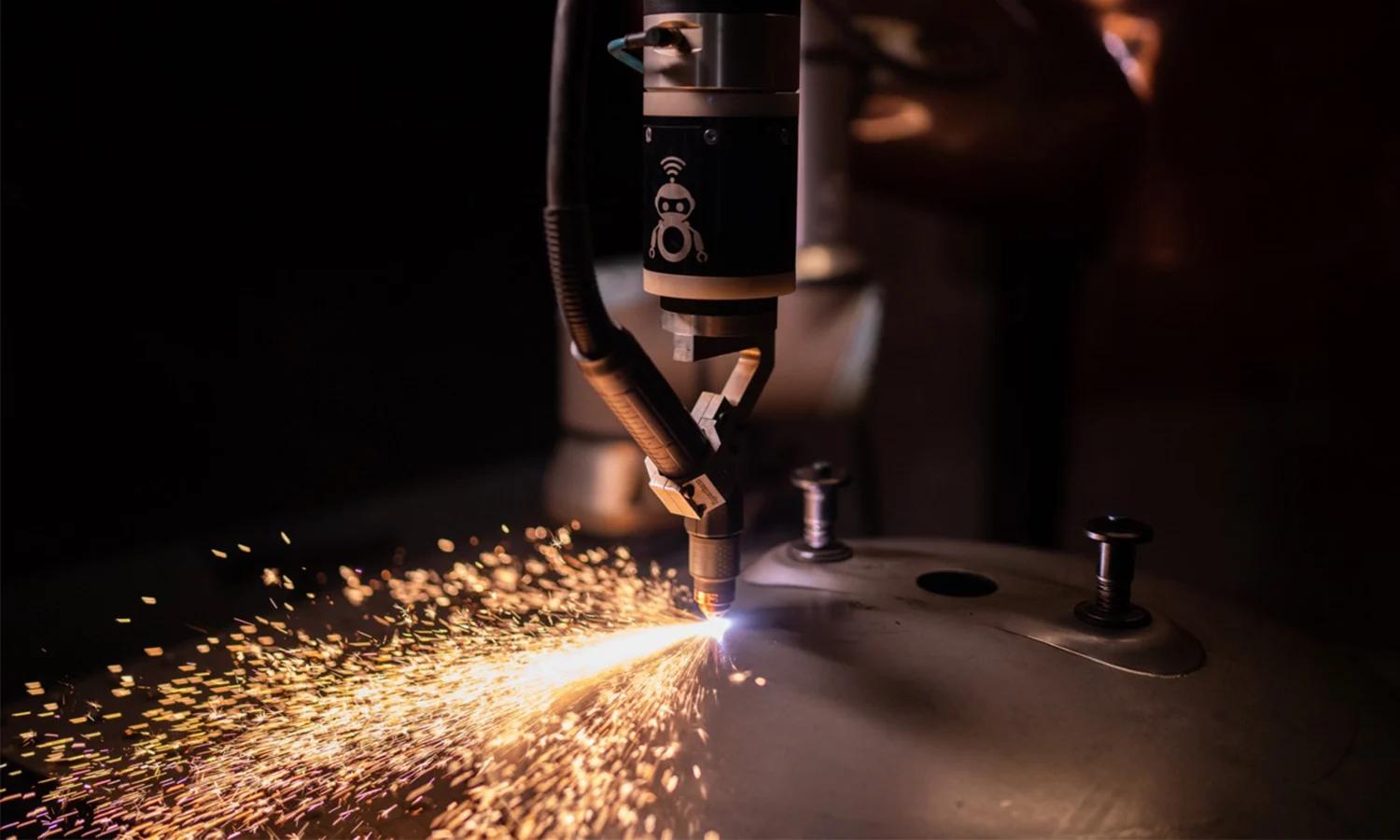
For businesses involved in metal fabrication, a CNC plasma cutting table can provide a perfect automated approach to make precise cuts across multiple metal shapes and profiles. These systems combine plasma cutting technology with computer-controlled software, allowing workers to produce accurate cuts. When evaluating CNC plasma cutting tables, it is important to consider multiple factors such as dimensions, cutting capacity, plasma system, compatibility, software, accuracy, and maintenance requirements. With the help of the right configuration, you can make your production more specific.
Supporting Modern Manufacturing
CNC technology continues to provide manufacturing businesses with a practical way to enhance precision and accuracy. From providing accurate cuts to the use of modern technology, CNC plasma cutters have become a good choice for all kinds of modern manufacturing businesses. For businesses considering CNC machines, understanding their compatibility requirements, software, and production goals can help them to use the equipment more suitably. Purchasing after careful evaluation can contribute to more efficient and organised manufacturing operations.

Write a comment ...