
In today’s metal fabrication industry, speed, precision, and efficiency are no longer optional; they’re essential. This is where a plasma cutting machine plays a vital role. Across Australia, fabricators rely on plasma cutting technology to handle everything from light sheet metal work to heavy industrial applications. Whether you run a small workshop or a large fabrication facility, understanding how plasma cutting machines work and what to look for can help you make smarter equipment decisions and improve overall productivity.
What Is a Plasma Cutting Machine?
A plasma cutting machine uses an electrically conductive gas, known as plasma, to cut through metal. By combining compressed gas with an electrical arc, the machine generates extremely high temperatures that melt the metal while the gas blows the molten material away. This process allows for fast, clean, and accurate cuts on materials such as mild steel, stainless steel, and aluminium.
Compared to traditional cutting methods, plasma cutting offers superior speed and flexibility, making it a popular choice across construction, manufacturing, automotive, and agricultural sectors.
Key Benefits for Fabricators
One of the biggest advantages of a plasma cutting machine is versatility. It can handle a wide range of metal thicknesses and shapes, making it suitable for both custom jobs and repetitive production work. Fabricators also appreciate the reduced setup time and minimal material distortion compared to oxy-fuel cutting.
Plasma cutting is particularly valuable for Australian workshops working under tight deadlines. Faster cutting speeds mean higher output, while clean edges reduce the need for secondary finishing, saving both time and labour costs.
Manual vs CNC Plasma Cutting
Fabricators can choose between manual plasma cutting machines and automated systems. Manual machines are ideal for maintenance work, repairs, and on-site cutting. They offer flexibility and portability, making them a solid option for smaller workshops or mobile operations.
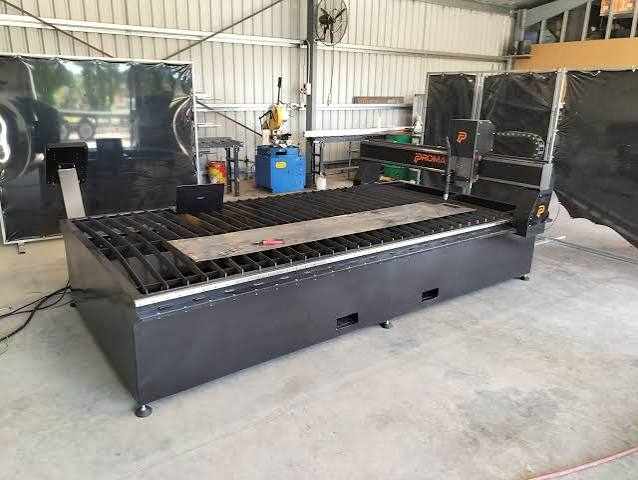
For higher precision and repeatability, many businesses invest in a CNC plasma cutting table. These systems use computer-controlled software to guide the cutting process, allowing for complex shapes, detailed designs, and consistent results across multiple jobs. CNC plasma cutting tables are especially useful for batch production and projects where accuracy is critical.
Understanding Cut Capacity and Power
When selecting a plasma cutting machine, cut capacity is one of the most important factors to consider. This refers to the maximum thickness the machine can cut effectively. Fabricators should choose a machine that comfortably exceeds their typical cutting requirements to avoid pushing the equipment to its limits.
Power supply is another key consideration. Smaller machines often run on single-phase power, while larger industrial units may require three-phase power. Understanding your workshop’s electrical setup is essential before making a purchase.
Air Quality and Consumables
Plasma cutting relies on clean, dry compressed air. Poor air quality can lead to inconsistent cuts and increased wear on consumables such as electrodes and nozzles. Investing in proper air filtration and moisture control can significantly extend consumable life and improve cut quality.
Consumables are an ongoing cost, so it’s important to factor availability and pricing into your decision. Reliable machines with stable arcs tend to use consumables more efficiently, offering better long-term value.
Safety and Ease of Use
Modern plasma cutting machines are designed with operator safety in mind. Features such as thermal overload protection, pilot arc technology, and voltage detection help prevent accidents and equipment damage. Ease of use is also important; clear controls and intuitive interfaces reduce training time and operator fatigue.
Choosing the Right Machine for Your Needs
Ultimately, the right plasma cutting machine depends on your workload, material types, budget, and future growth plans. For workshops focused on precision and scalability, investing in a CNC plasma cutting table can deliver long-term efficiency and accuracy. For more flexible or mobile work, a high-quality manual plasma cutter may be the better fit.
By understanding how plasma cutting machines work and what features matter most, Australian fabricators can make informed decisions that boost productivity, improve cut quality, and support sustainable business growth.

Write a comment ...